Byzantine4 records
Explore Byzantine gold jewellery and personal objects through material, date, condition and recorded provenance.
Explore context ⟶The Ancient Gold Antiquities Collection
Gold jewellery and personal objects preserved as witnesses to belief, identity, ceremony and ancient craftsmanship.
Collection Discovery
Discover antiquities through cultural context, with every route leading to documented material, condition and provenance.
Explore Byzantine gold jewellery and personal objects through material, date, condition and recorded provenance.
Explore context ⟶Explore Roman gold jewellery and personal objects through material, date, condition and recorded provenance.
Explore context ⟶Explore Greek gold jewellery and personal objects through material, date, condition and recorded provenance.
Explore context ⟶Explore Late Antique gold jewellery and personal objects through material, date, condition and recorded provenance.
Explore context ⟶Explore Late Roman gold jewellery and personal objects through material, date, condition and recorded provenance.
Explore context ⟶Explore Scythian gold jewellery and personal objects through material, date, condition and recorded provenance.
Explore context ⟶Museum-Quality Antiquities
Each object carries the trace of a life once lived: worn close to the body, offered in devotion, or displayed as a language of status and belonging.
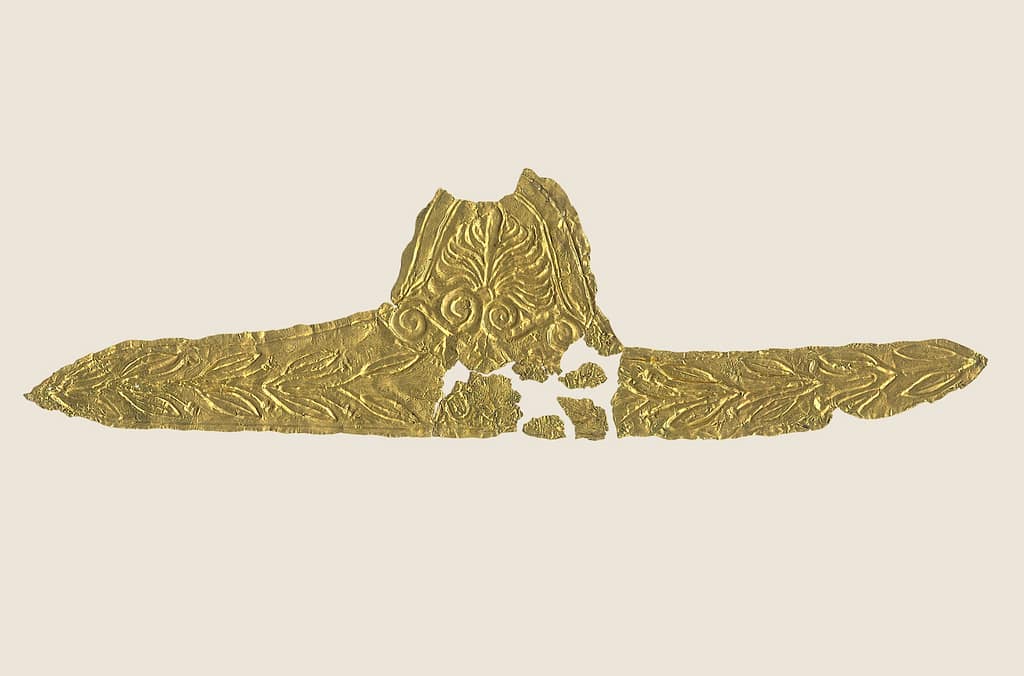
Greek
Late 4th–3rd century BC
A ceremonial gold diadem shaped as an architectural pediment, preserving an intricate language of palmettes, laurel leaves and berries.
View Object Record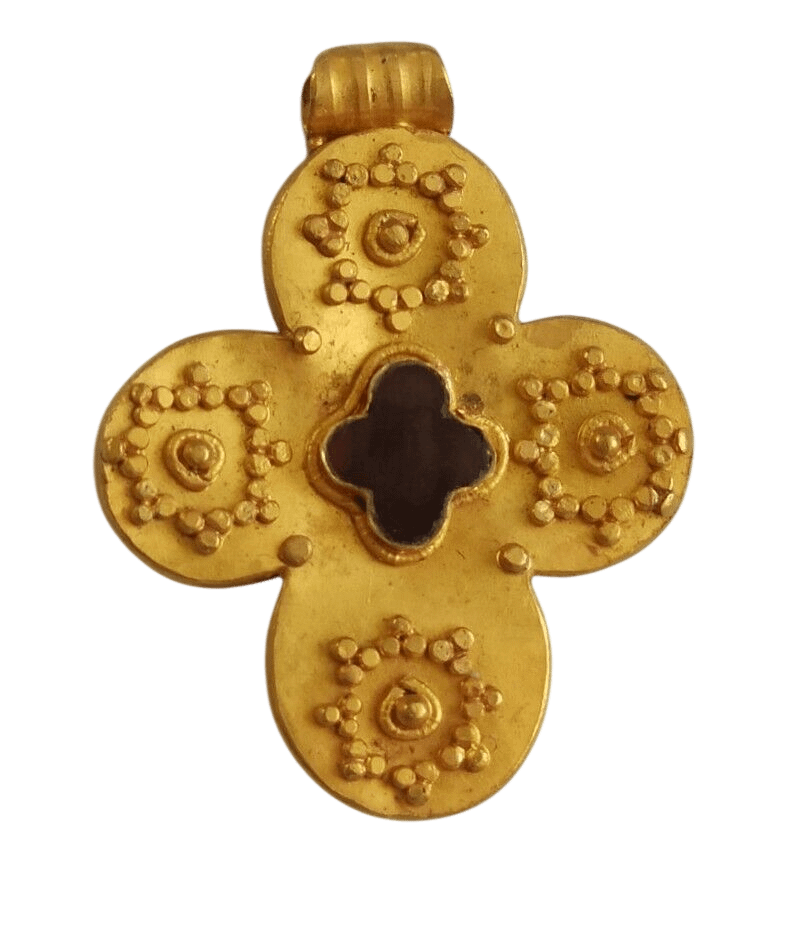
Byzantine
AD 700–1000
A double-sided Byzantine cross pendant whose garnet inset transforms a private jewel into an emblem of faith and protection.
View Object Record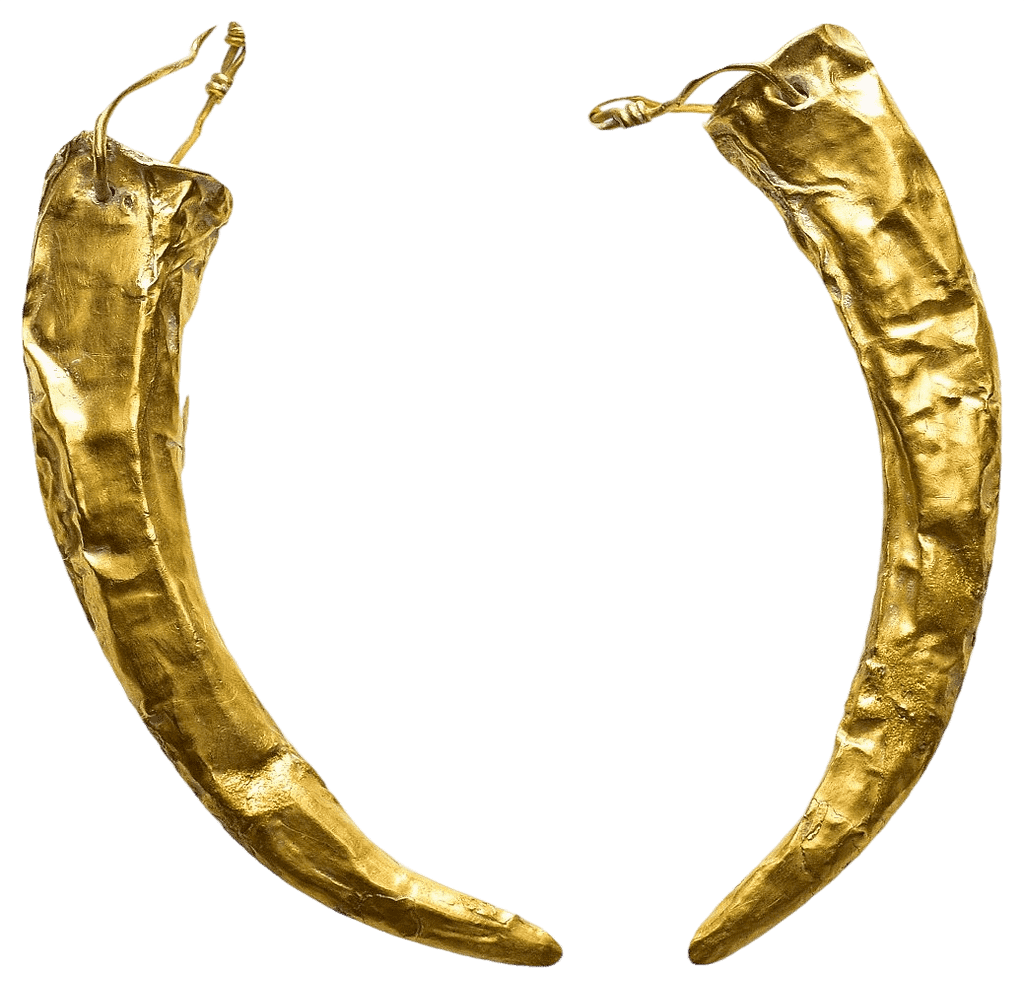
Greek
3rd–1st century BC
A finely preserved gold dress ornament made to catch light across the folds of ceremonial clothing.
View Object Record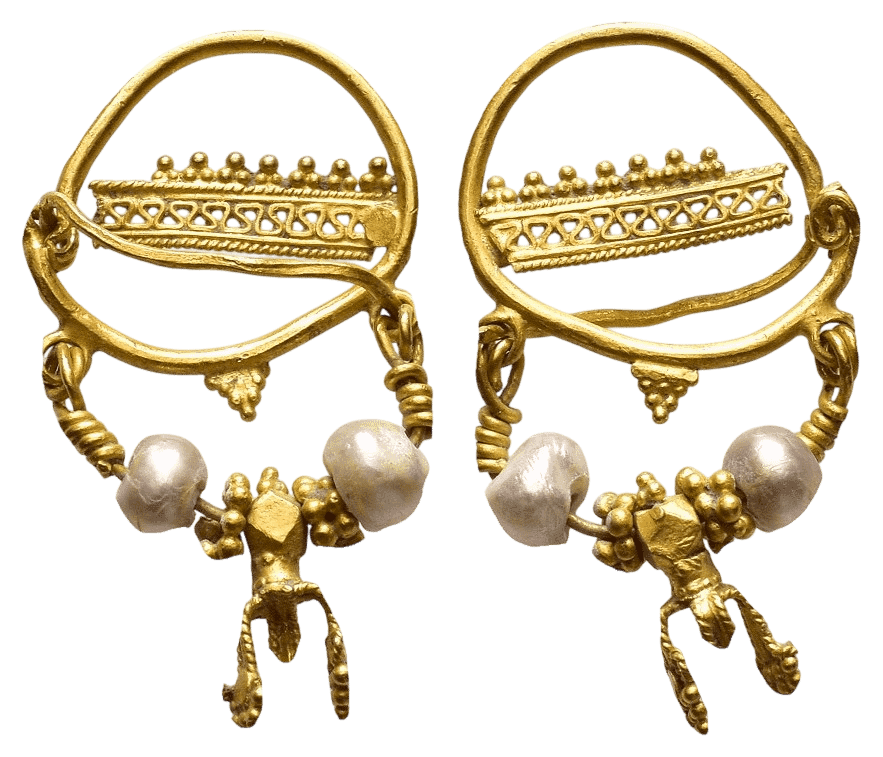
Greek
4th–1st century BC
A compact Hellenistic gold earring that demonstrates how ancient goldsmiths concentrated refinement into intimate personal scale.
View Object Record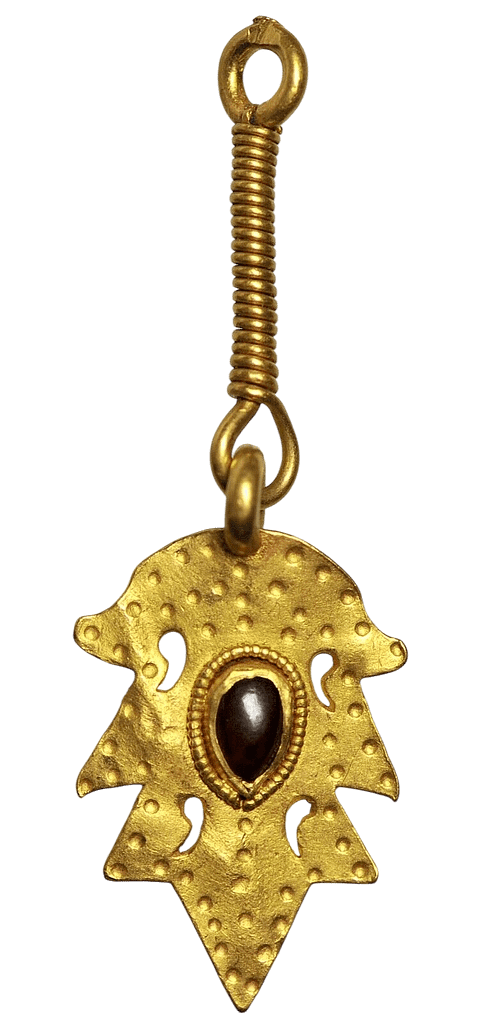
Late Antique
3rd–4th century AD
A leaf-shaped pendant from the Black Sea region, joining high-purity gold with the deep red brilliance of garnet.
View Object Record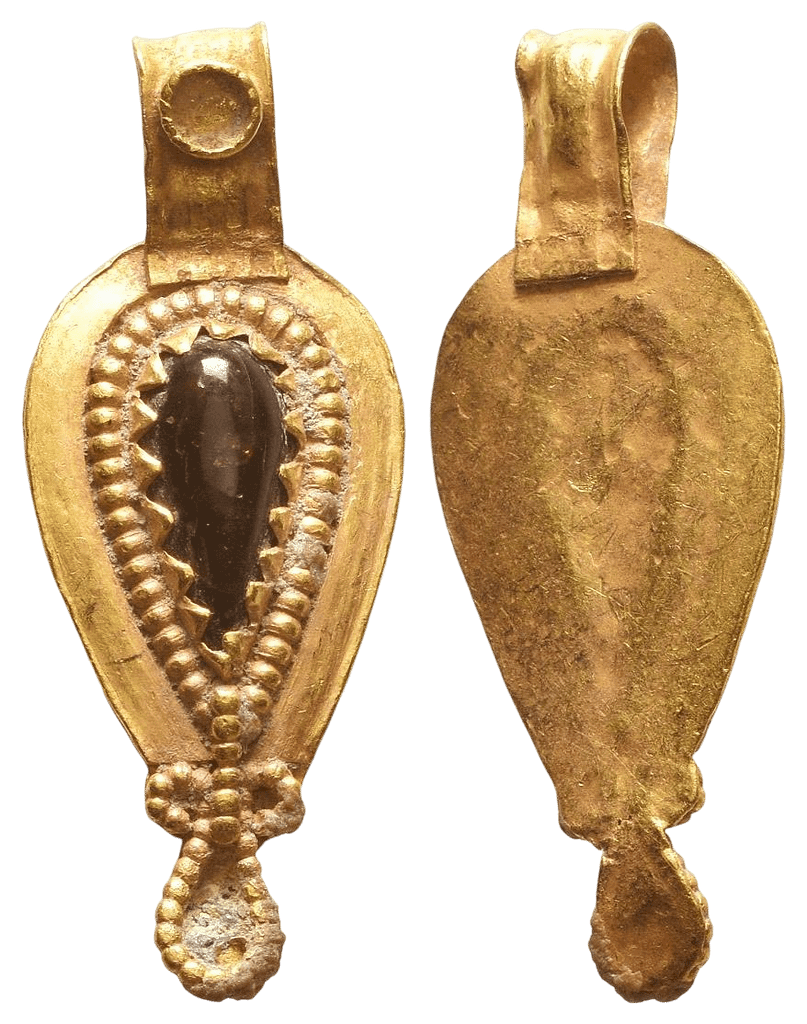
Byzantine
9th–12th century AD
An elegant Byzantine pendant whose restrained gold setting focuses attention on the luminous stone at its centre.
View Object Record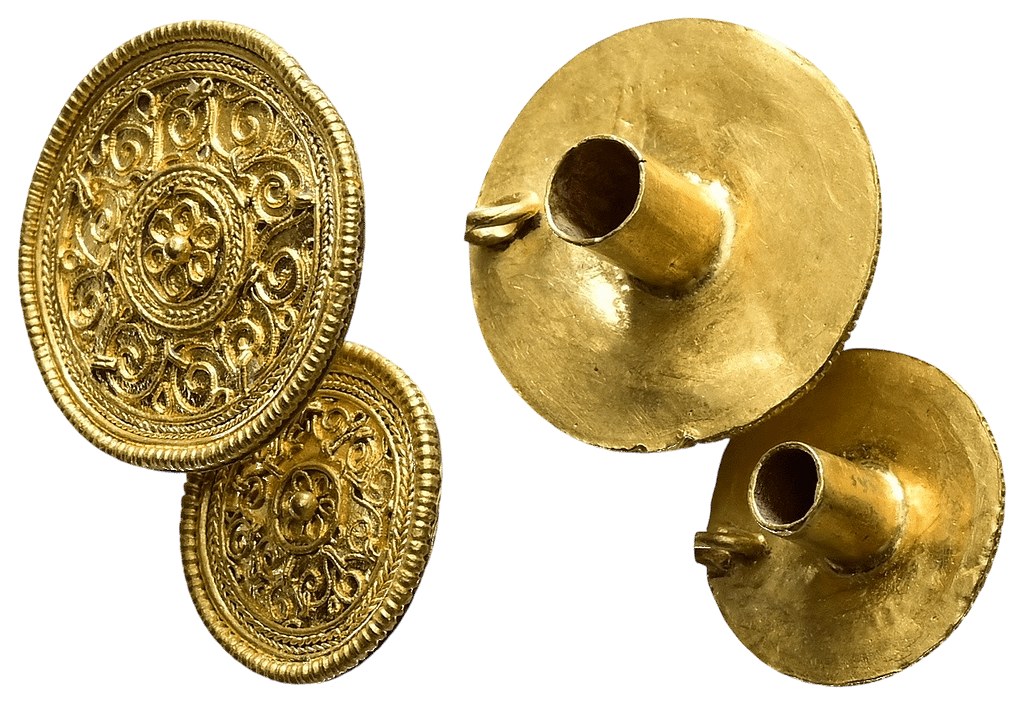
Greek
c. 330–300 BC
Front and back discs of a sophisticated Greek ear stud, enriched with beading, rope filigree and a six-petalled rosette.
View Object Record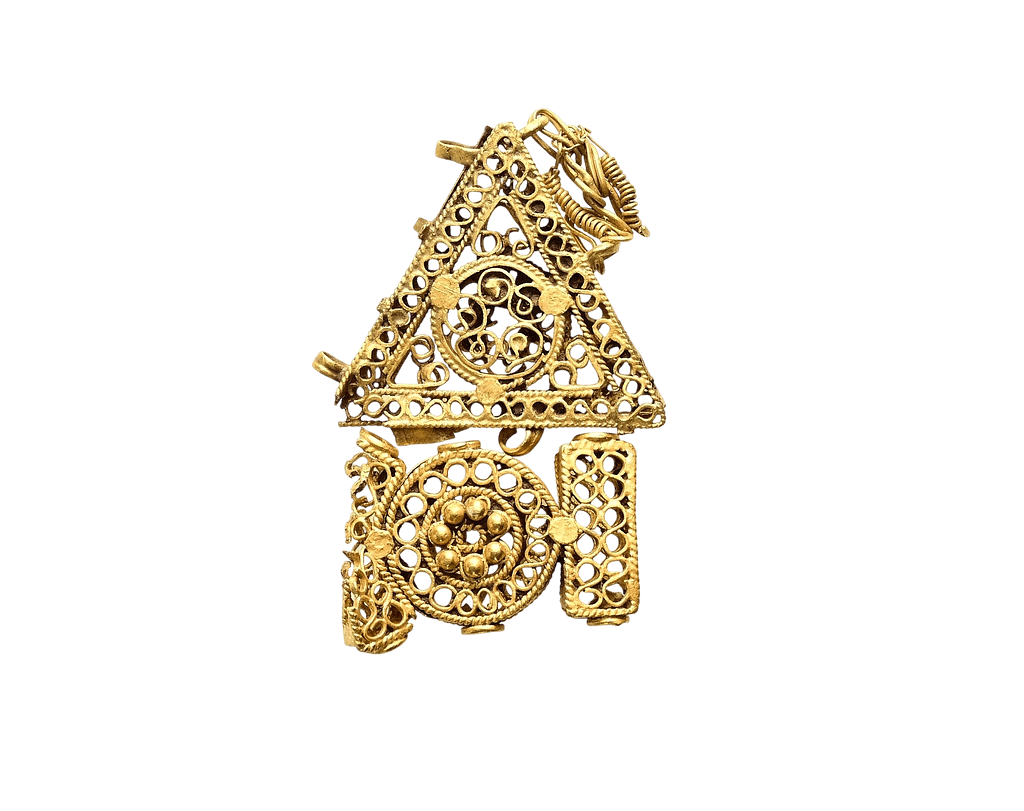
Byzantine
7th–8th century AD
A rare early Byzantine pendant earring preserving the graceful movement and refined scale of personal adornment.
View Object Record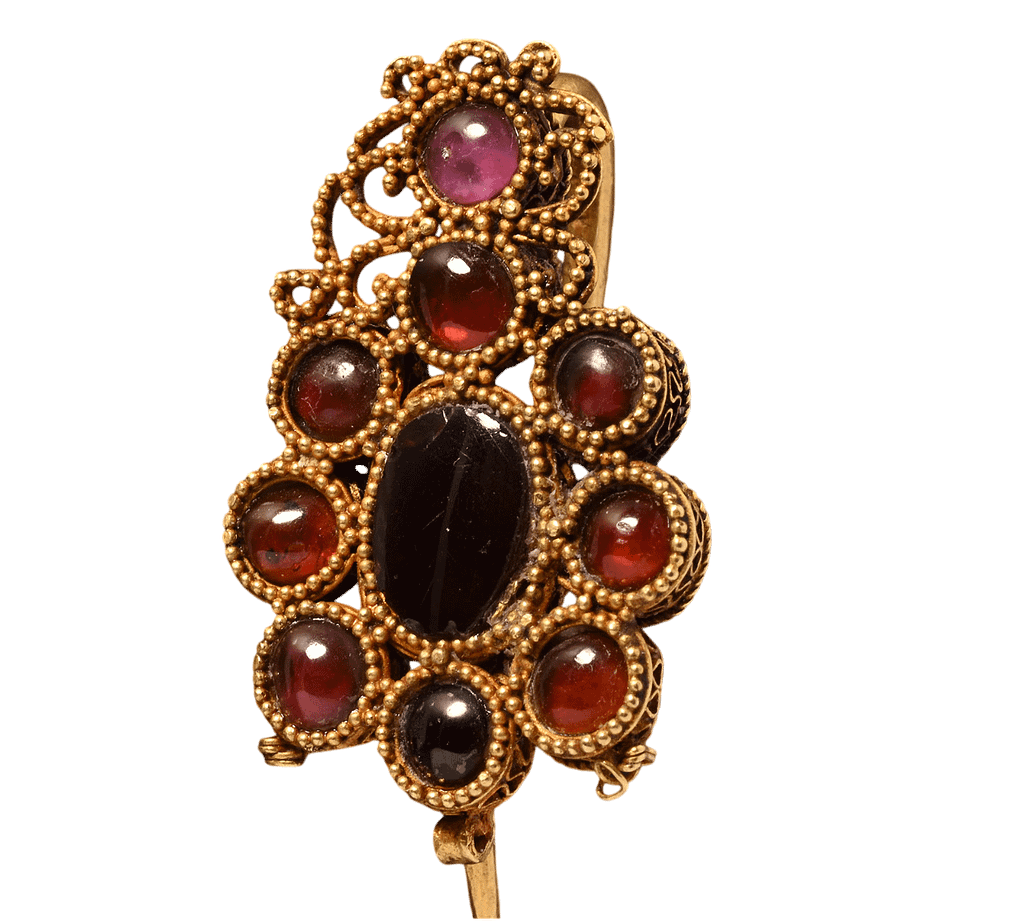
Late Roman
4th–6th century AD
A richly constructed gold earring set with garnets in varied reds, preserving the filigree virtuosity of Late Antiquity.
View Object Record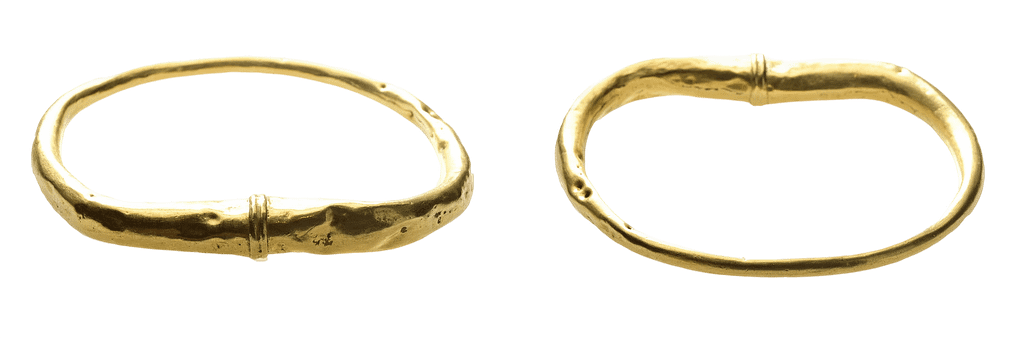
Roman
2nd–4th century AD
A hollow penannular bracelet whose widening terminals give architectural weight to an exceptionally restrained Roman form.
View Object Record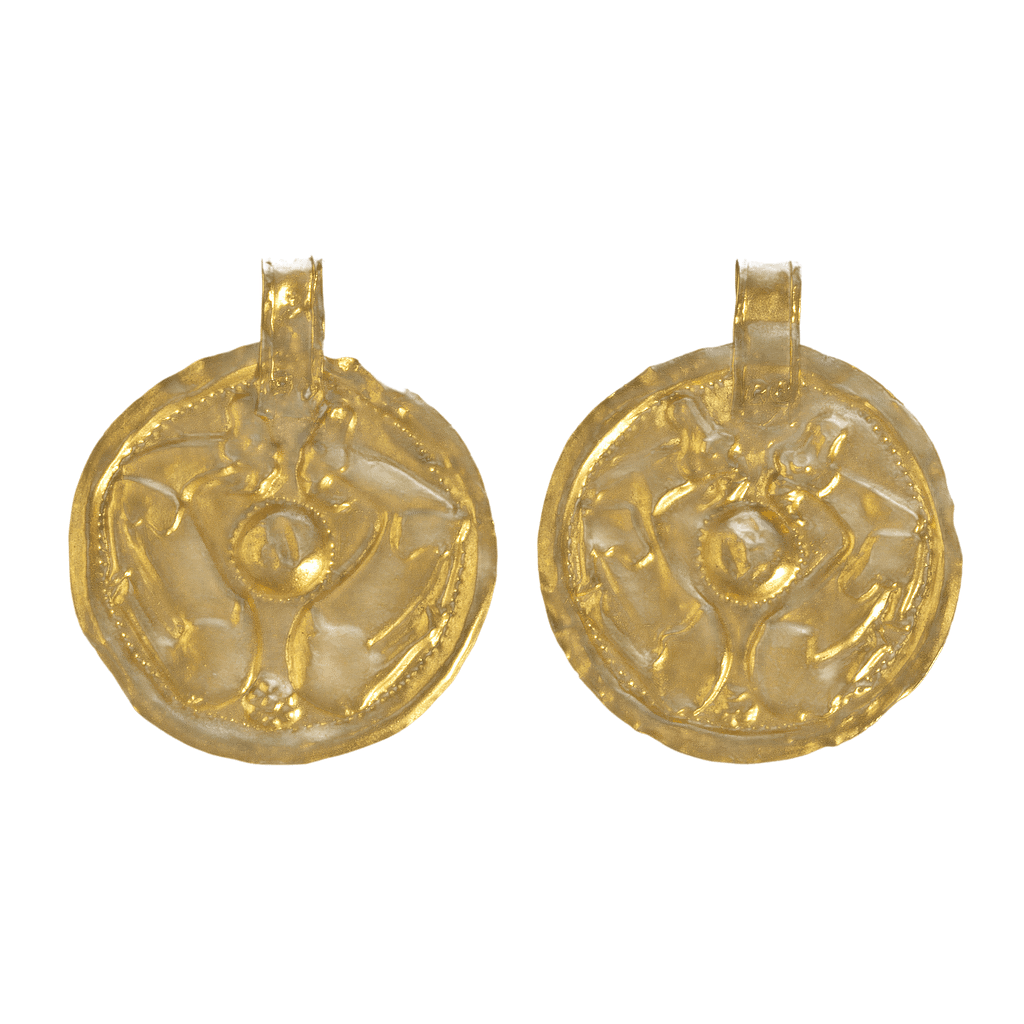
Scythian
5th century BC
A pair of Scythian gold pendants embossed with reclining ibexes, translating animal power into portable ornament.
View Object Record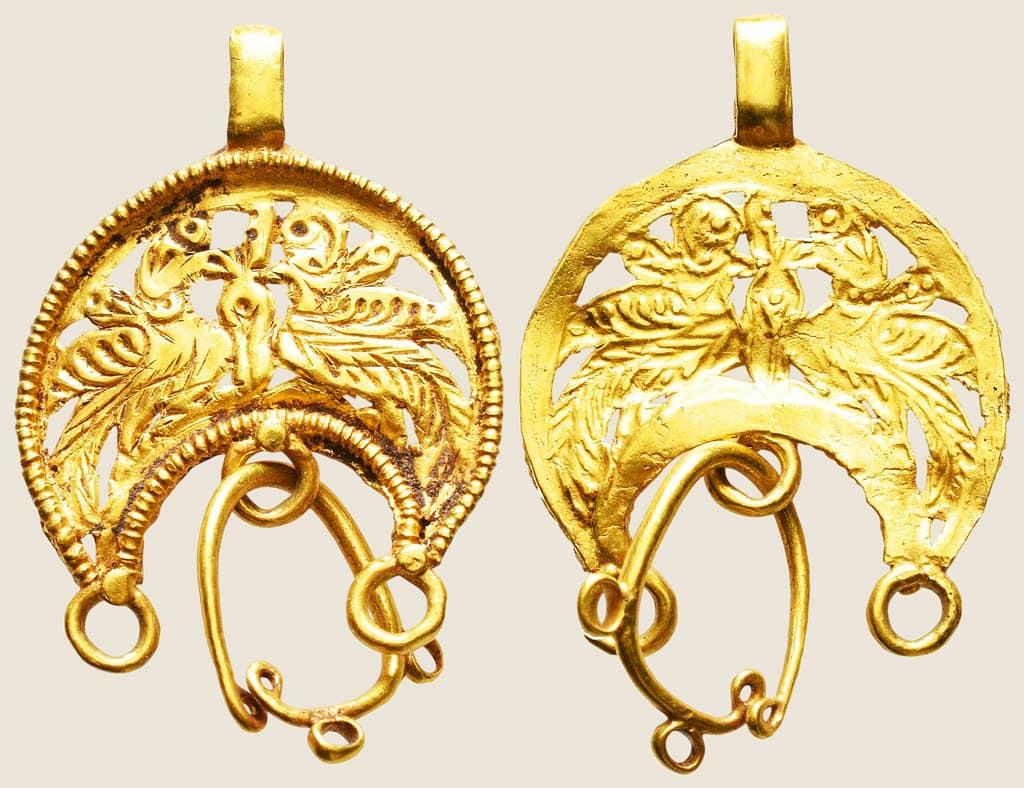
Byzantine
Late 6th–7th century AD
An openwork Byzantine crescent earring in which paired birds transform delicate gold into an intimate emblem of harmony and protection.
View Object Record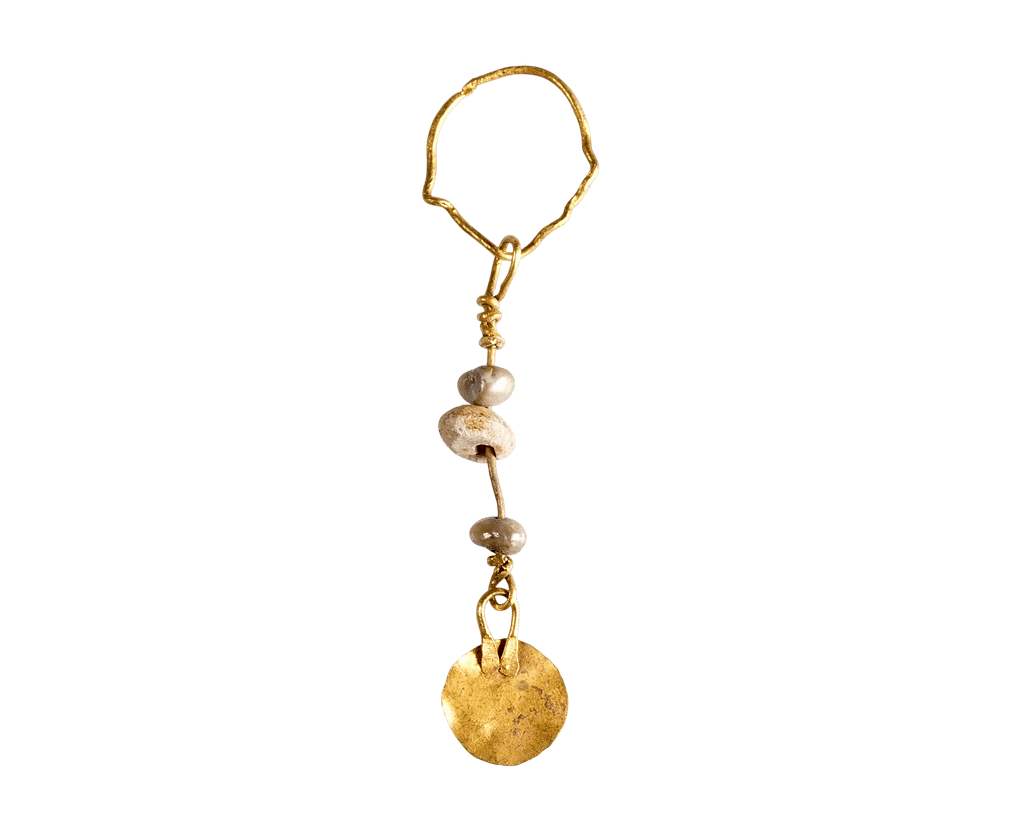
Roman
1st–3rd century AD
A remarkably light Roman earring in which a fine gold hoop, pale beads and a mobile disc pendant turn movement into ornament.
View Object Record