Byzantine Empire13 records
Imperial portraiture, Christian imagery, mint systems and dynastic authority in Byzantine gold.
Latest Anastasius I: A Solidus between Rome and ByzantiumExplore context ⟶The Ancient Gold Journal
Essays on coinage, rulers, sacred imagery and the responsibility of collecting objects that have survived history.
Collection Discovery
Follow themes across the Journal, from imperial imagery and mint practice to provenance and responsible collecting.
Imperial portraiture, Christian imagery, mint systems and dynastic authority in Byzantine gold.
Latest Anastasius I: A Solidus between Rome and ByzantiumExplore context ⟶Object-led studies of legends, denominations, iconography and the evidence carried by individual coins.
Latest Athena, Nike and Macedonian Continuity after AlexanderExplore context ⟶Power, ceremony and visual language across the gold coinage of imperial Rome.
Latest Theodosius II: The Armed Emperor and the Eternal CapitalExplore context ⟶Practical scholarship on provenance, condition, grading and responsible stewardship.
Latest How Ancient Gold Records ProvenanceExplore context ⟶
Featured Essay
How a stable gold denomination became an enduring language of imperial authority.
From the Collection
Byzantine Empire
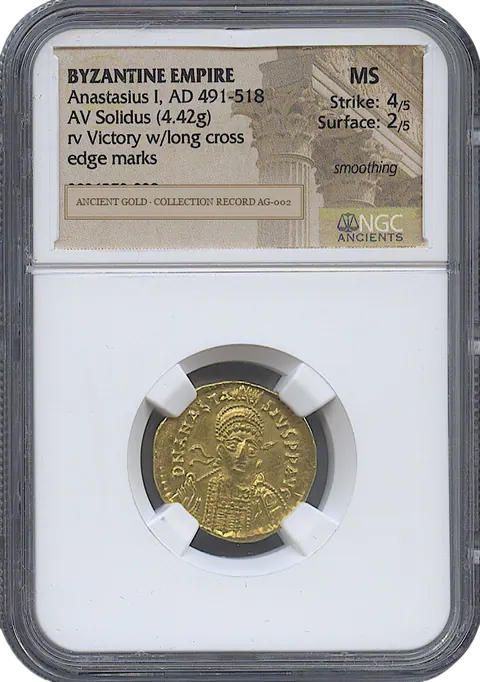
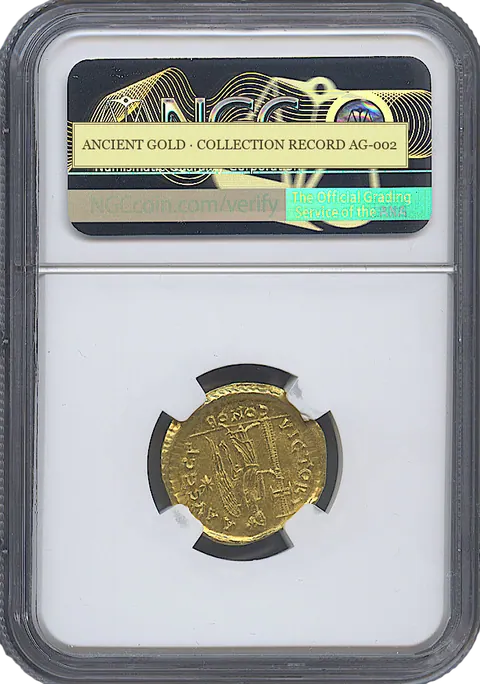
An armoured emperor and a cross-bearing Victory reveal how Constantinople renewed an inherited Roman gold language rather than abandoning it.
Coin Histories
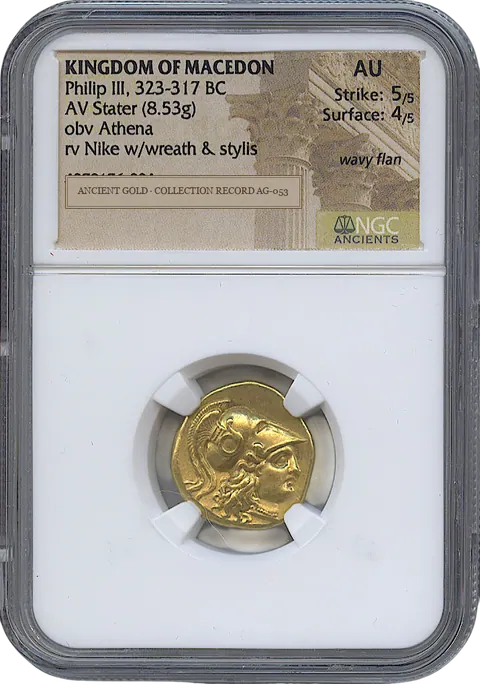
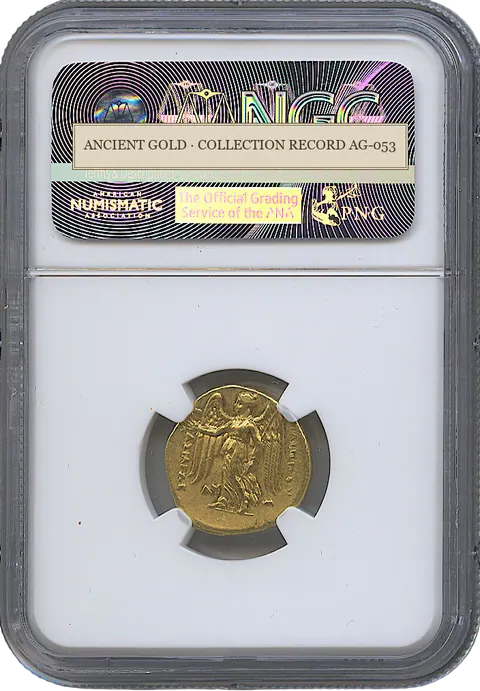
A gold stater of Philip III Arrhidaios shows how a familiar type could promise political continuity while Alexander’s empire was already being contested.
Byzantine Empire
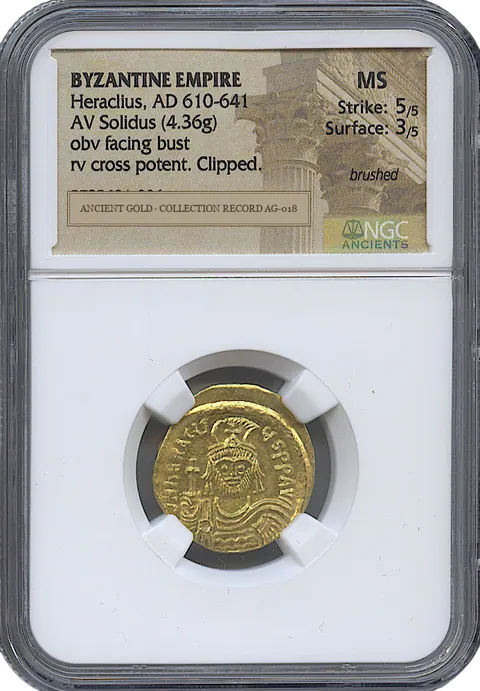
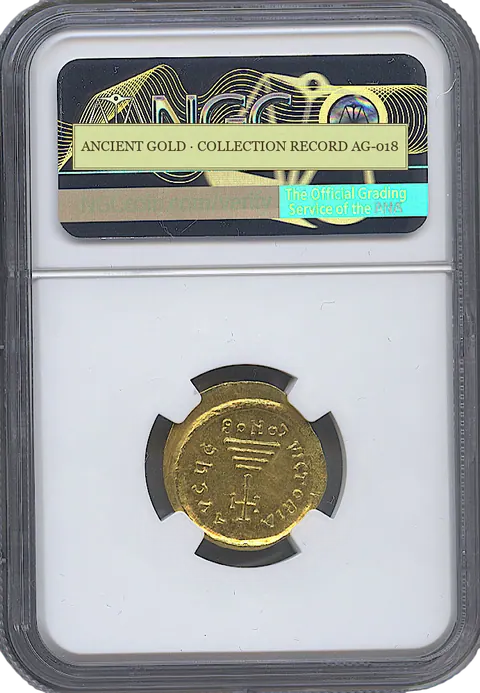
Across four related solidi, a monumental cross answers changing portraits of emperor, son and dynasty during one of Byzantium’s most turbulent reigns.
Byzantine Empire
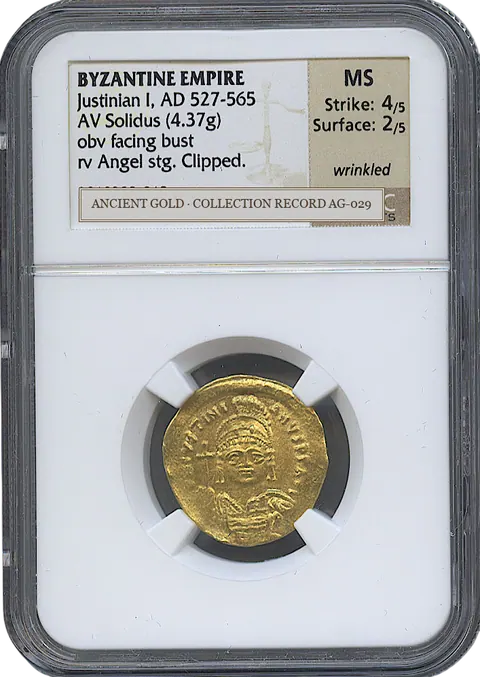
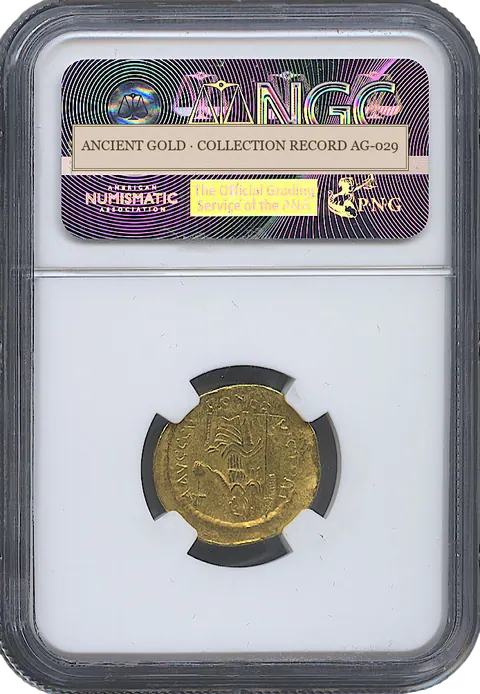
A facing gold portrait and a cross-bearing angel condense Justinian’s programme of law, sacred monarchy and Roman restoration.
Roman Empire
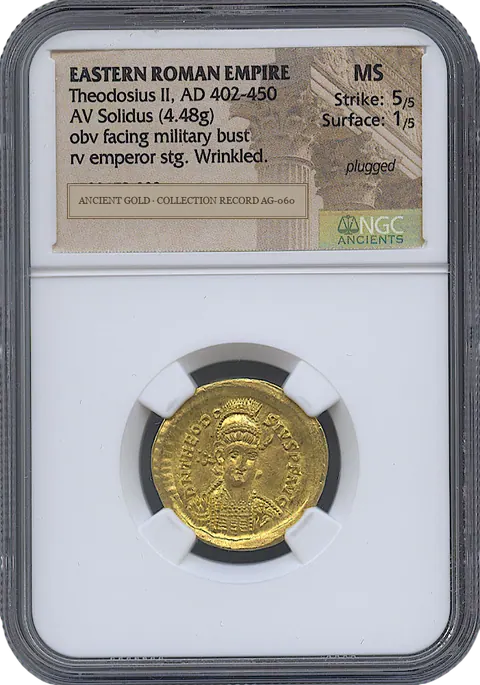
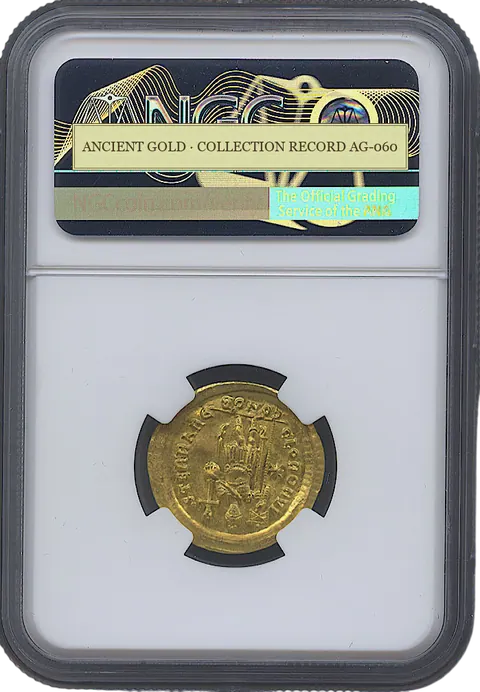
Two solidi pair the same frontal military ruler with different answers—ceremonial victory and Constantinopolis enthroned.
Byzantine Empire
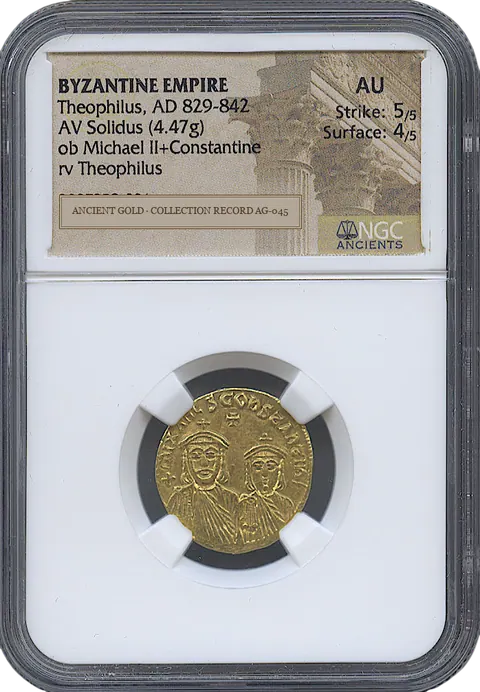
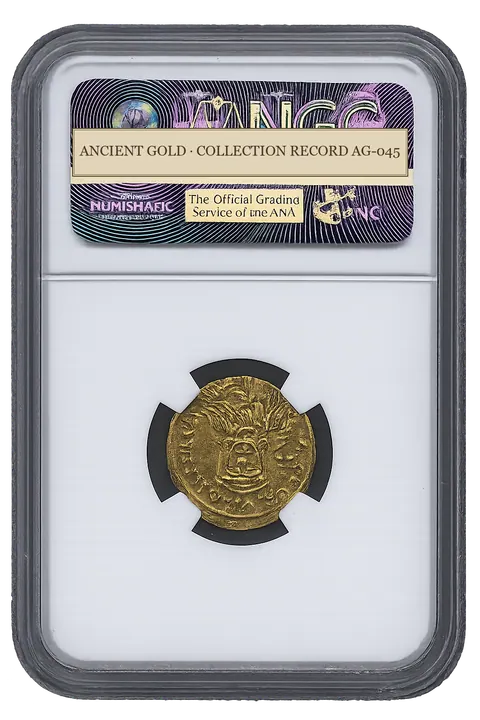
A capital solidus and a Syracuse semissis show how an iconoclast emperor made ancestry and the ruler’s body carry the burden of legitimacy.
Coin Histories
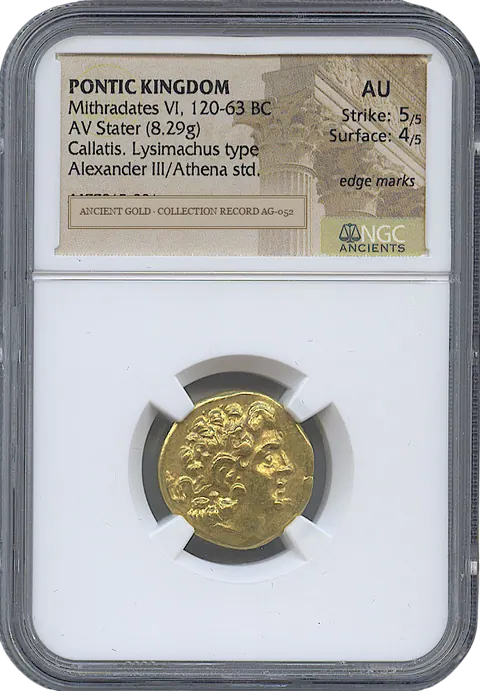
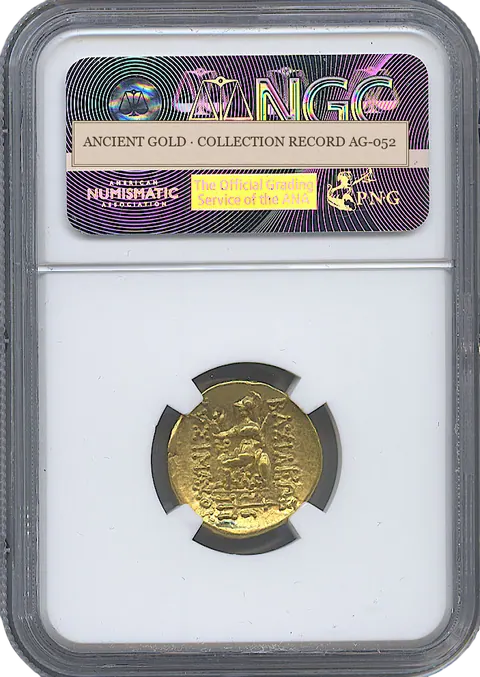
Mithradates VI revived the heroic portrait and enthroned Athena of Hellenistic royal coinage to present Pontos as heir to Alexander’s political world.
Coin Histories
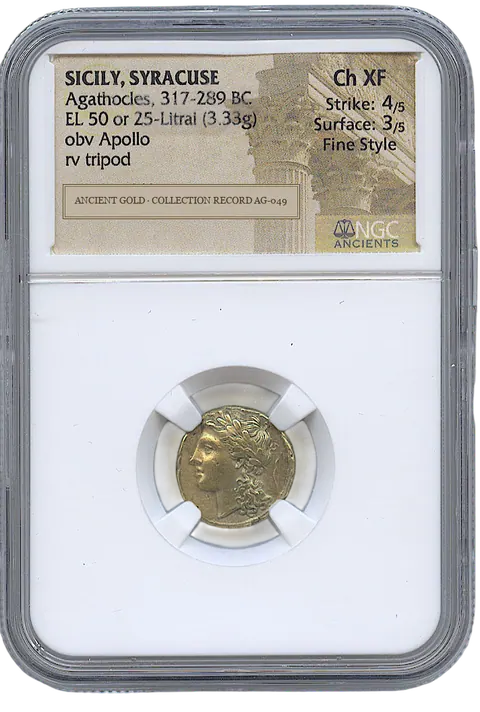
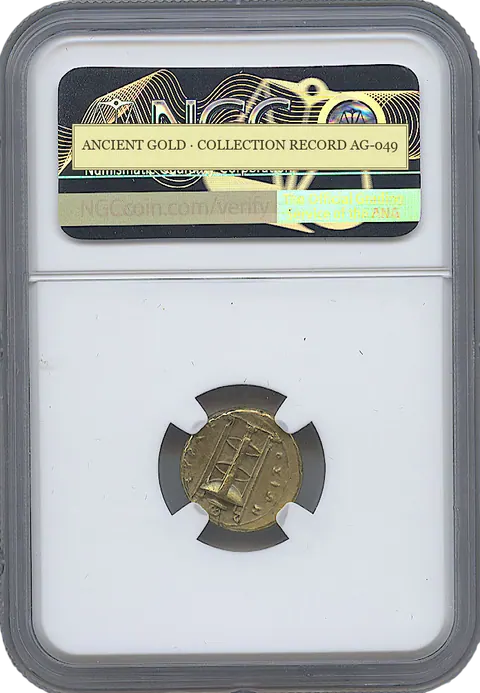
Agathokles placed Apollo and the Delphic tripod on a compact electrum coin, joining sacred authority to the ambitions of a soldier who became king.
Coin Histories
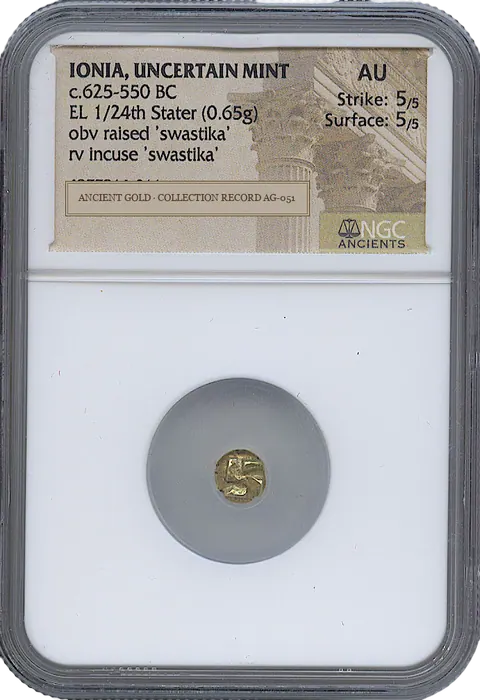
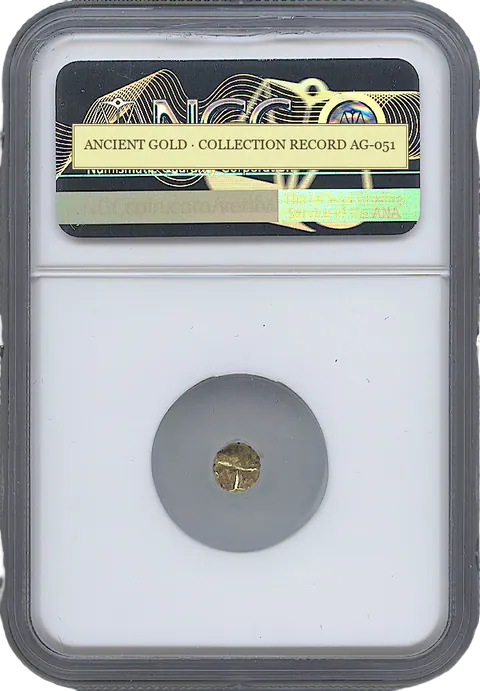
A tiny Ionian fraction shows how standardized weight and an official punch turned precious metal into one of the earliest forms of struck money.