Byzantine Empire9 records
Imperial portraiture, Christian imagery, mint systems and dynastic authority in Byzantine gold.
Latest The Hyperpyron: Alexius I and a Reformed Gold CurrencyExplore context ⟶The Ancient Gold Journal
Essays on coinage, rulers, sacred imagery and the responsibility of collecting objects that have survived history.
Collection Discovery
Follow themes across the Journal, from imperial imagery and mint practice to provenance and responsible collecting.
Imperial portraiture, Christian imagery, mint systems and dynastic authority in Byzantine gold.
Latest The Hyperpyron: Alexius I and a Reformed Gold CurrencyExplore context ⟶Object-led studies of legends, denominations, iconography and the evidence carried by individual coins.
Latest Electrum at the Beginning of CoinageExplore context ⟶Power, ceremony and visual language across the gold coinage of imperial Rome.
Latest Koson Gold and the Memory of the Roman RepublicExplore context ⟶Practical scholarship on provenance, condition, grading and responsible stewardship.
Latest How Ancient Gold Records ProvenanceExplore context ⟶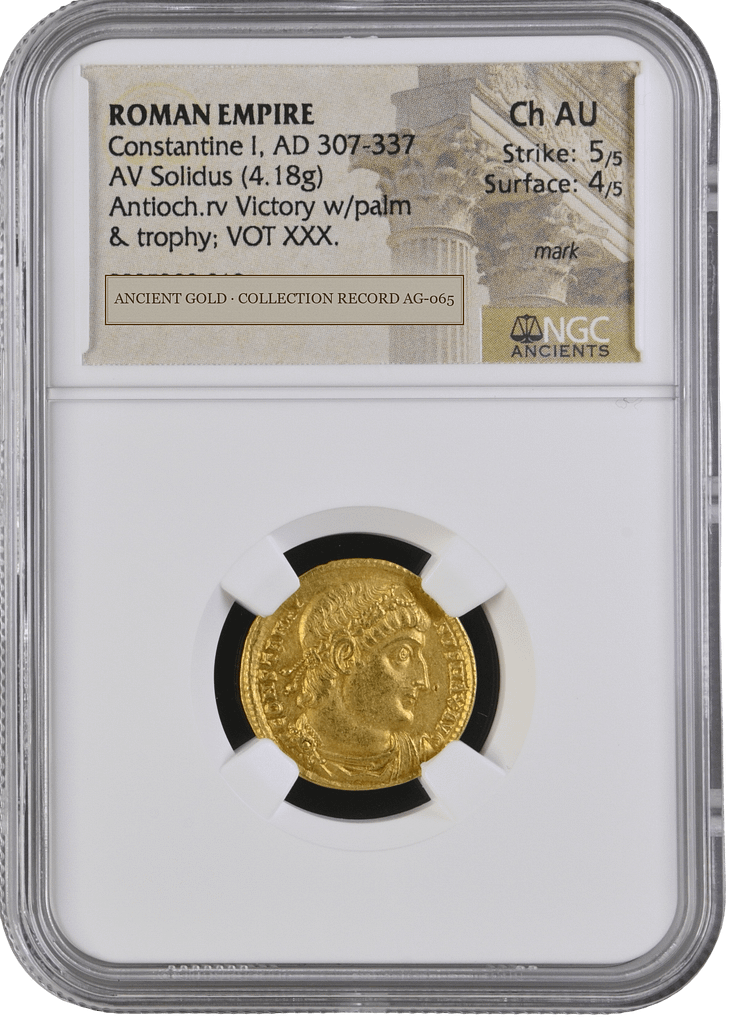
Featured Essay
How a stable gold denomination became an enduring language of imperial authority.
From the Collection
Coin Histories
A practical, object-led method for reading portraits, legends, fields, mint marks and physical evidence without outrunning the record.
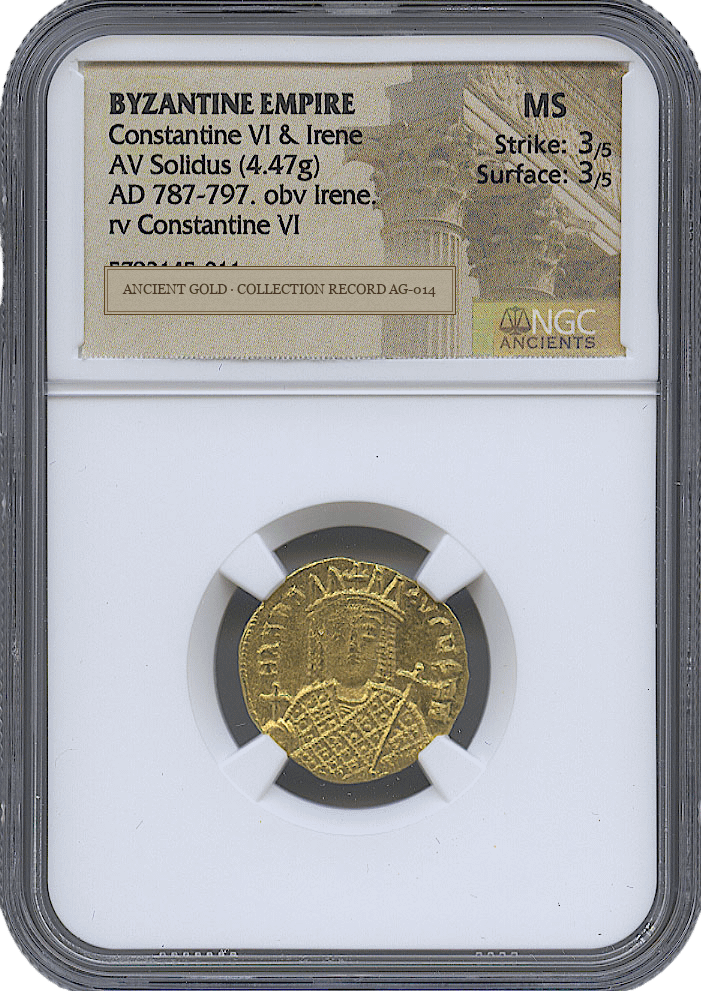
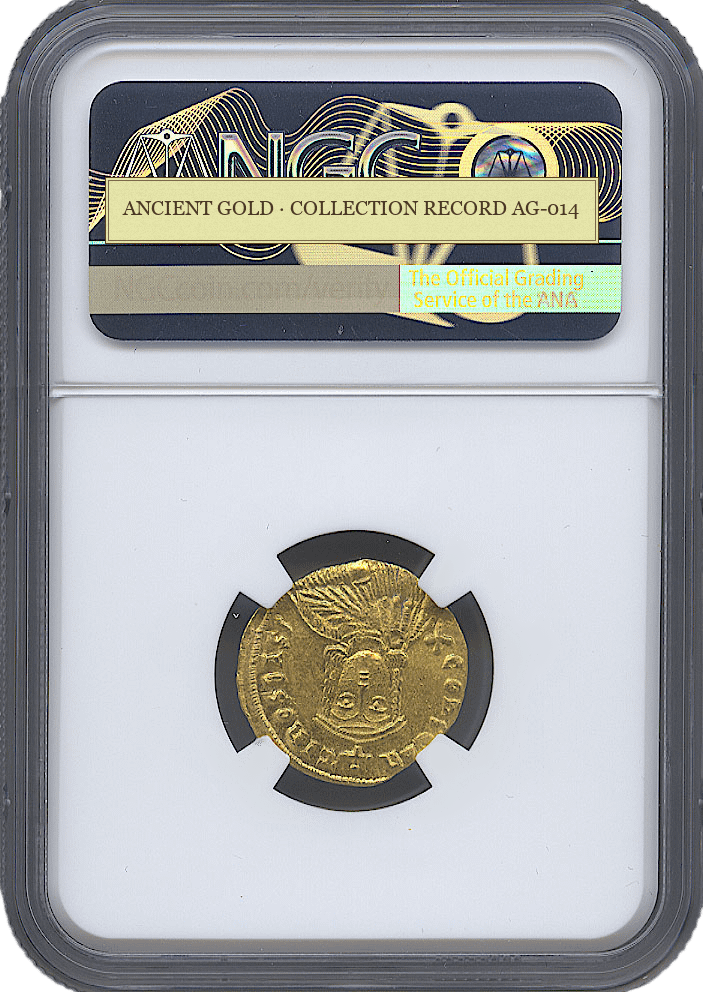
Byzantine Empire
Byzantine gold turned family hierarchy into public government through placement, scale, regalia and the division of the two faces.
Coin Histories
Diadems, armour, frontal faces and sacred companions turned tiny gold portraits into a grammar of imperial office.
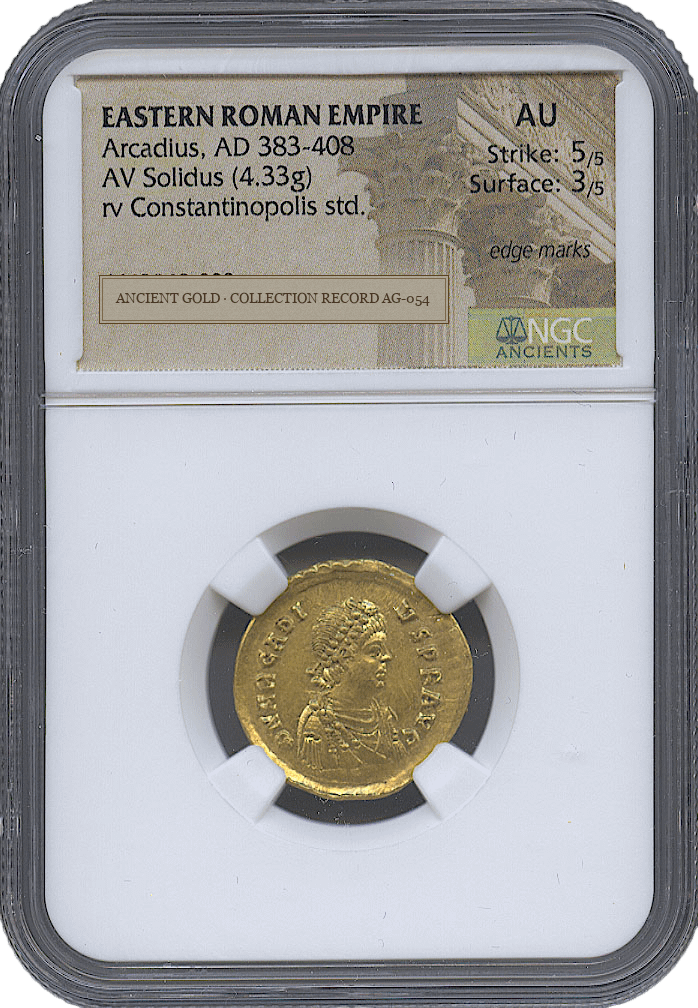
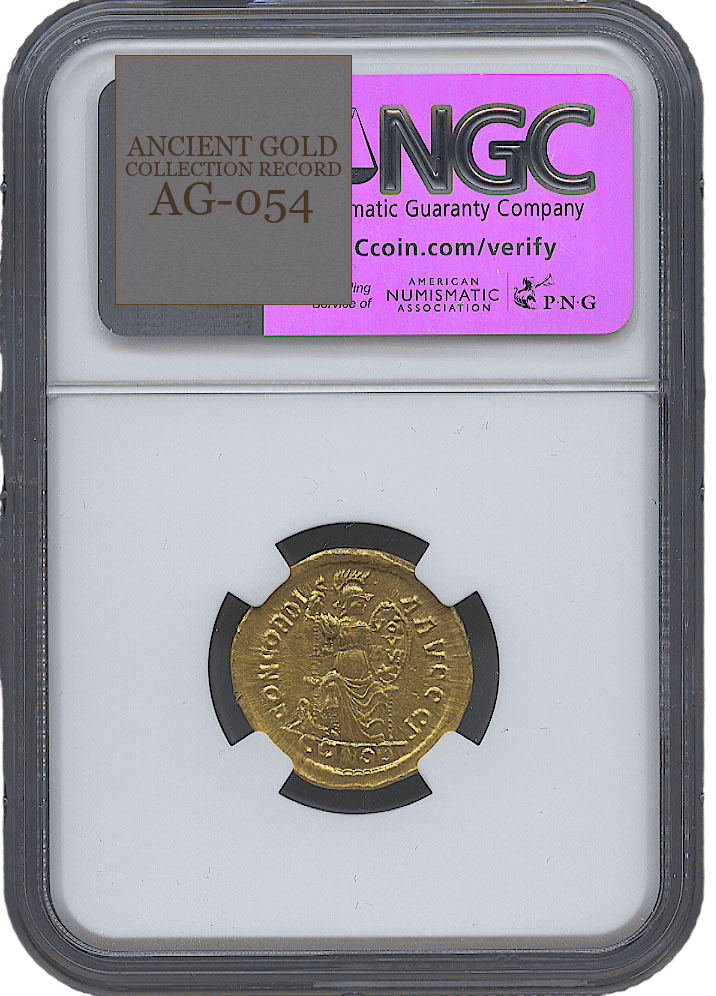
Coin Histories
The solidus was defined by a historical target of seventy-two to the Roman pound, while every surviving coin has its own measurable history.
Roman Empire
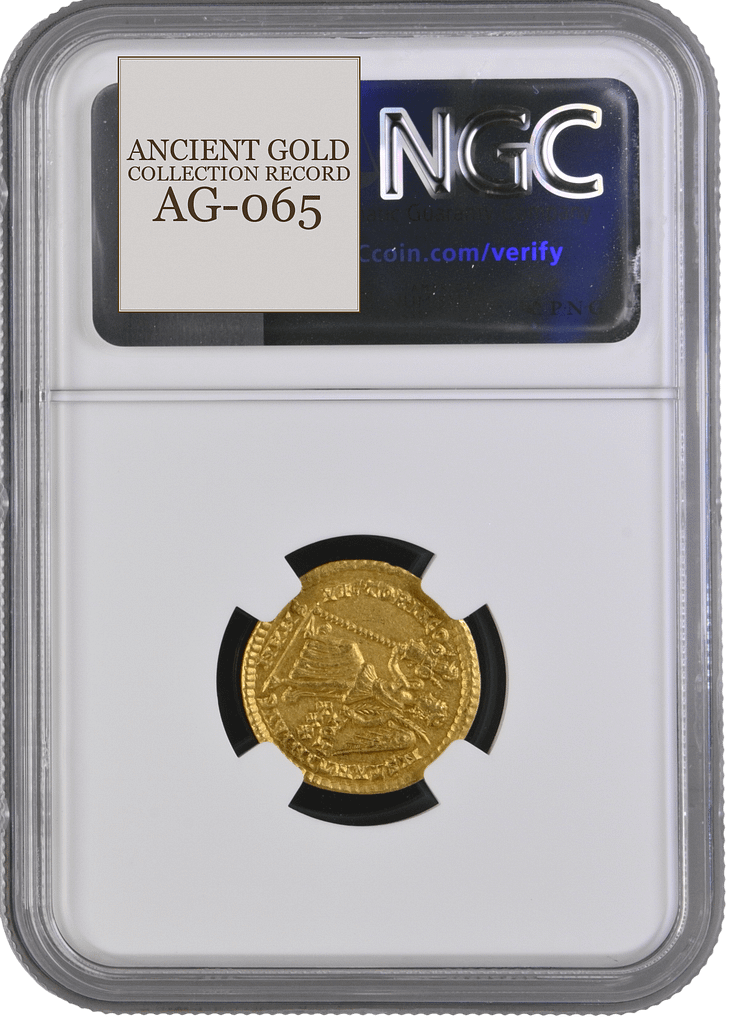
VOTA inscriptions translate promised anniversaries into public statements of continuity, legitimacy and hoped-for future rule.
Byzantine Empire
CONOB is a compact late Roman and Byzantine mint formula: Constantinople plus a claim of refined gold, not a decorative signature.
Byzantine Empire
A rare Constantinopolitan solidus places Irene before her son, turning a restored partnership into a carefully ordered image of authority.
Byzantine Empire
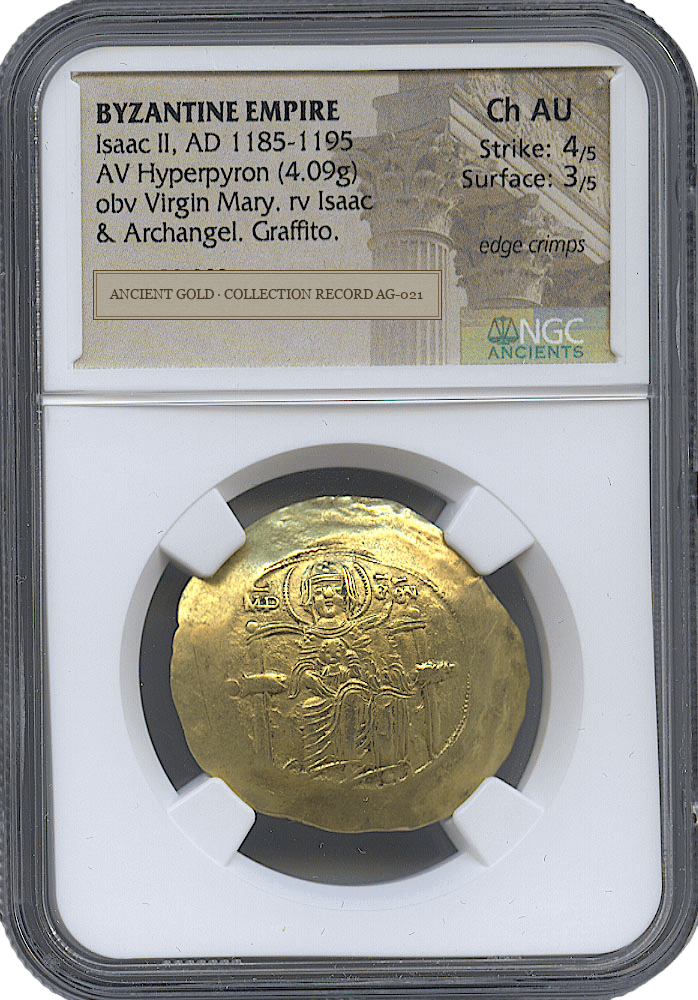
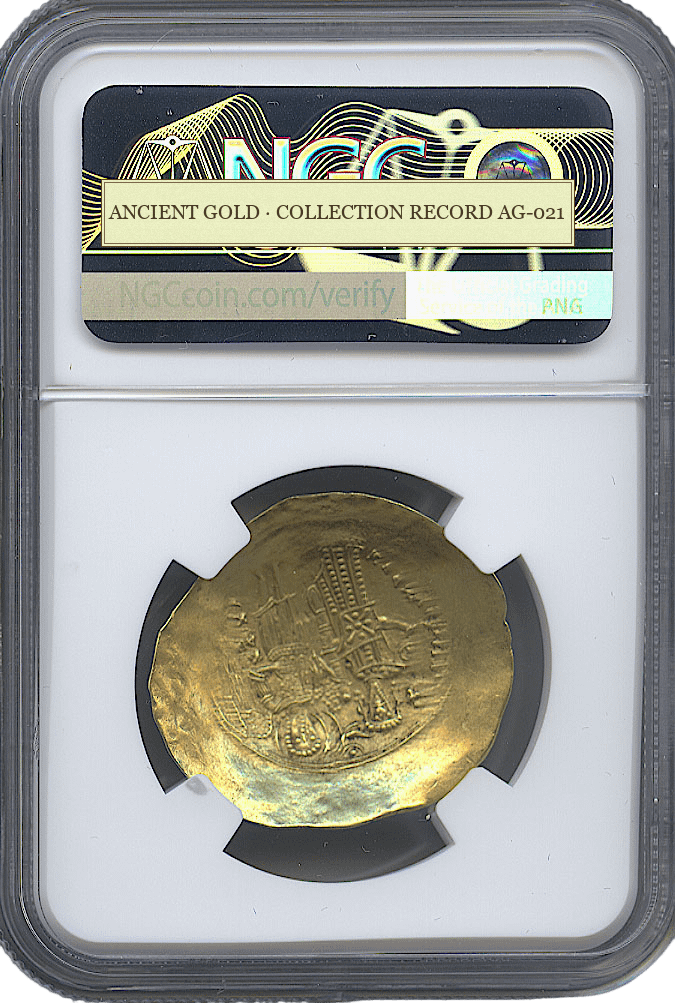
The first-reign hyperpyron of Isaac II makes celestial protection visible at the troubled end of the Komnenian political order.
Roman Empire
The solidus of Arcadius turns dynastic succession, civic personification and the vows of rule into a compact language of concord.