Provenance is the documented history of an object’s ownership and custody. It can include named collections, dealers, auctions, invoices, publications and dates. A mint, findspot or cultural attribution is not provenance unless it forms part of a documented custody history.
What the public record says
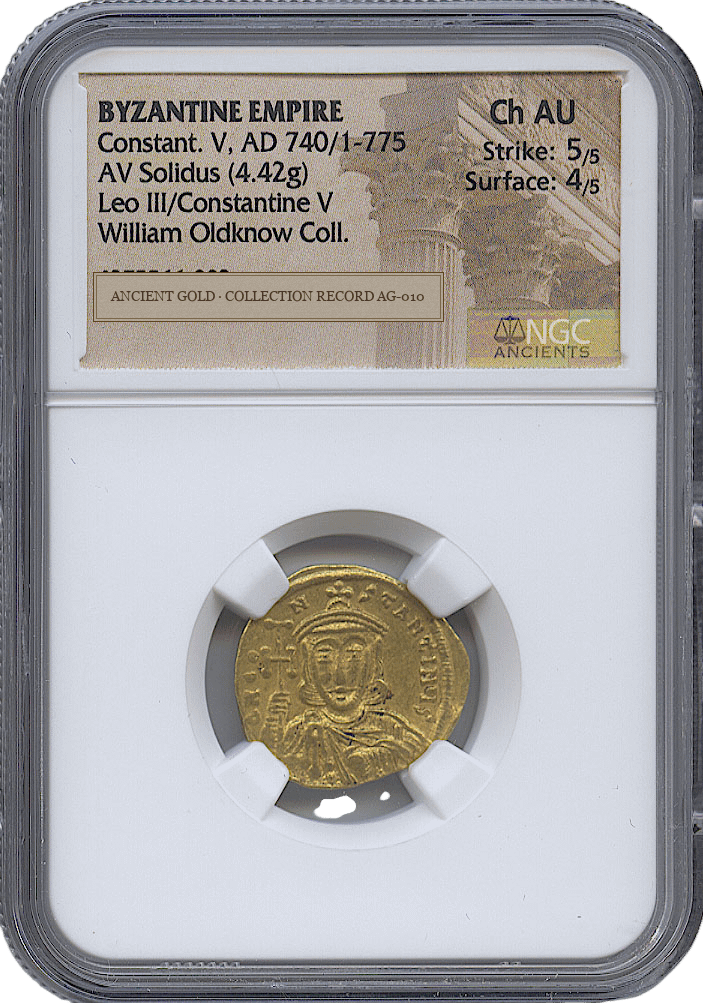
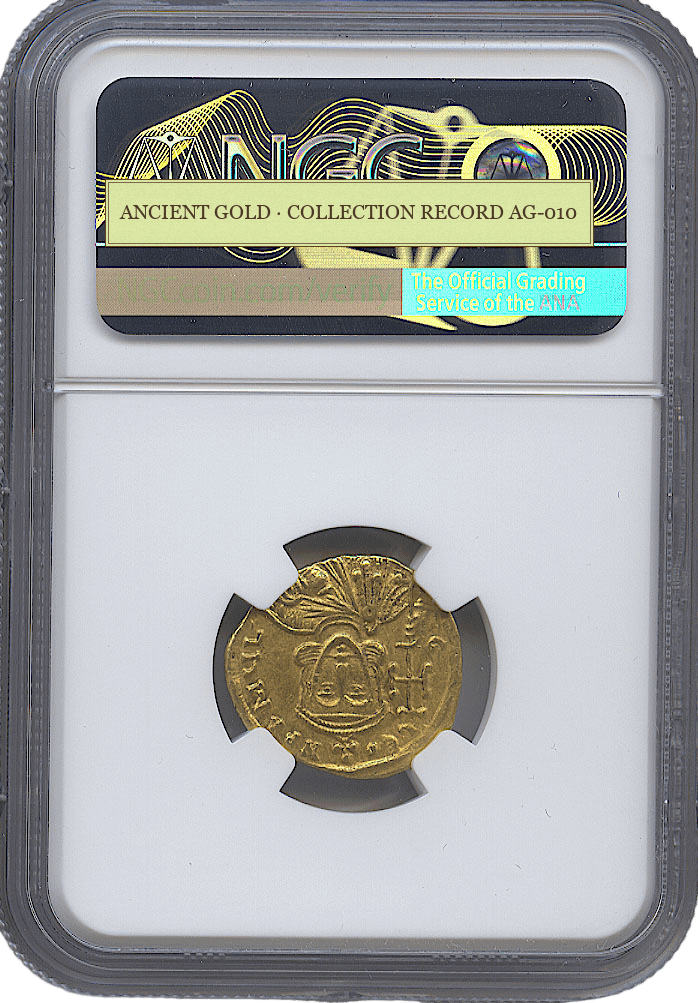
Ancient Gold publishes information supported by the object file and omits private personal data. AG-010 records the William Oldknow Collection because that name is present in the source record. Where the chain is absent, the catalogue says “not recorded” rather than inventing continuity.
Source, claim and confidence
Each entry should identify the source of the statement and preserve its wording when important. “European private collection; acquired before 2000” is not equivalent to a complete chain of named owners. It is a bounded claim with an evidentiary limit.
Why gaps matter
Incomplete provenance does not by itself determine authenticity or legality, but gaps limit what can responsibly be said about an object’s modern history. Laws, conventions and ethical expectations differ by jurisdiction and date; documentation should therefore be reviewed with appropriate specialist advice.
Corrections and new evidence
New invoices, catalogue entries or archival references should be added with a review date and revision note. Conflicting claims should both be preserved until resolved. The aim is an auditable record, not a smoother story.
Questions readers ask
Is “from an old collection” sufficient?
No. Without a name, date or document it is too vague to establish a chain of custody.
Is a mint name provenance?
No. A mint is the place of manufacture; provenance concerns later ownership and custody.
Why not fill gaps from probability?
Because a plausible route is not documented history. Unknown is a meaningful research status.