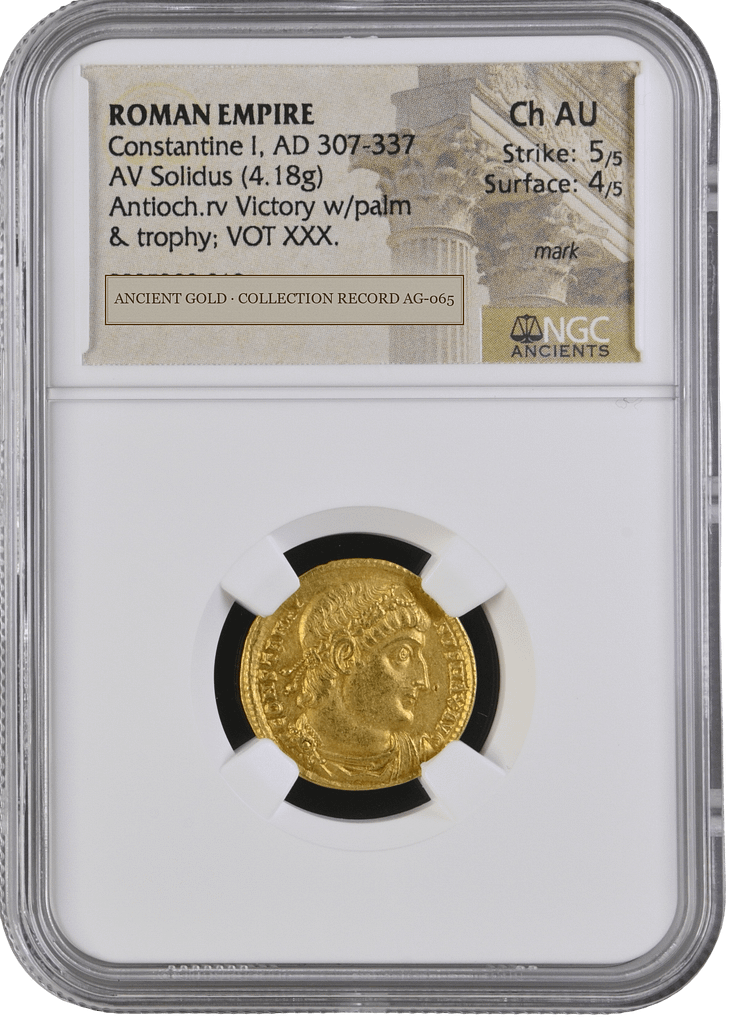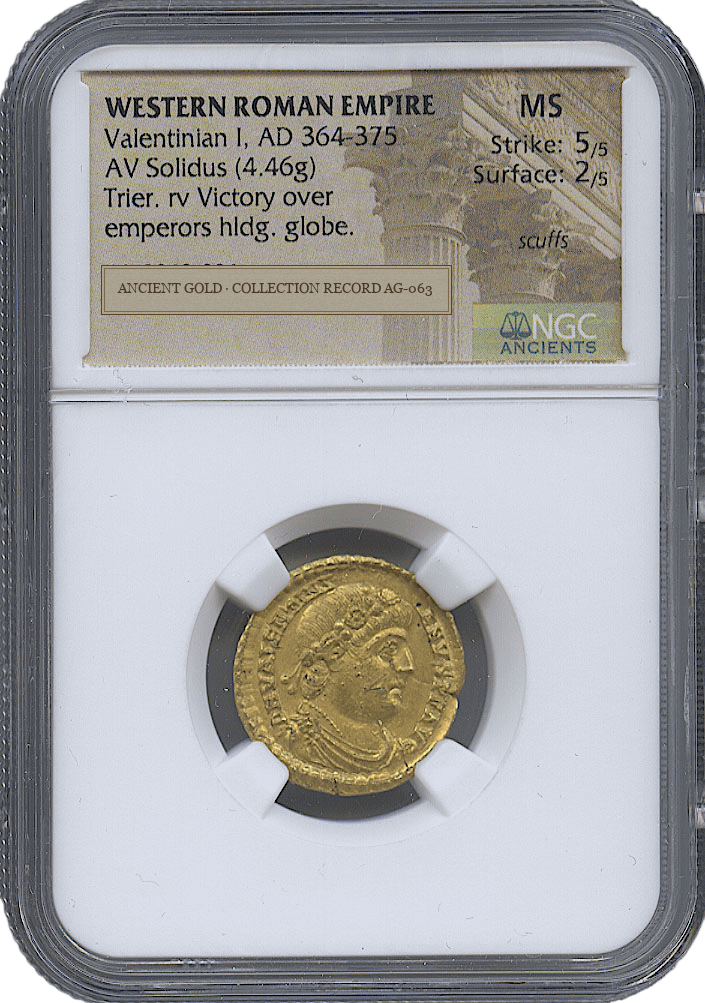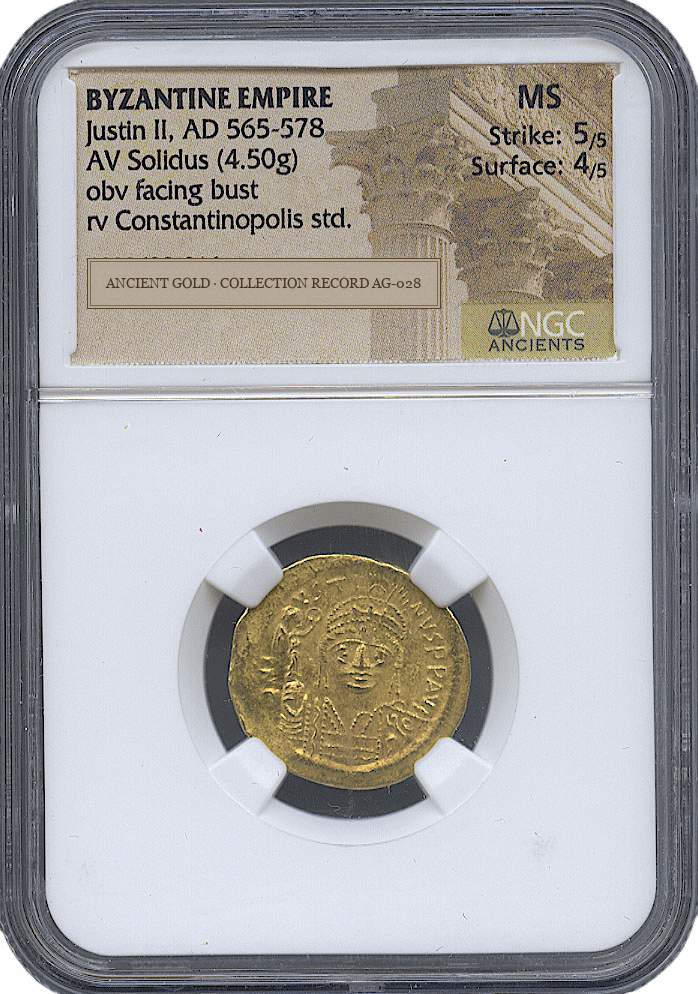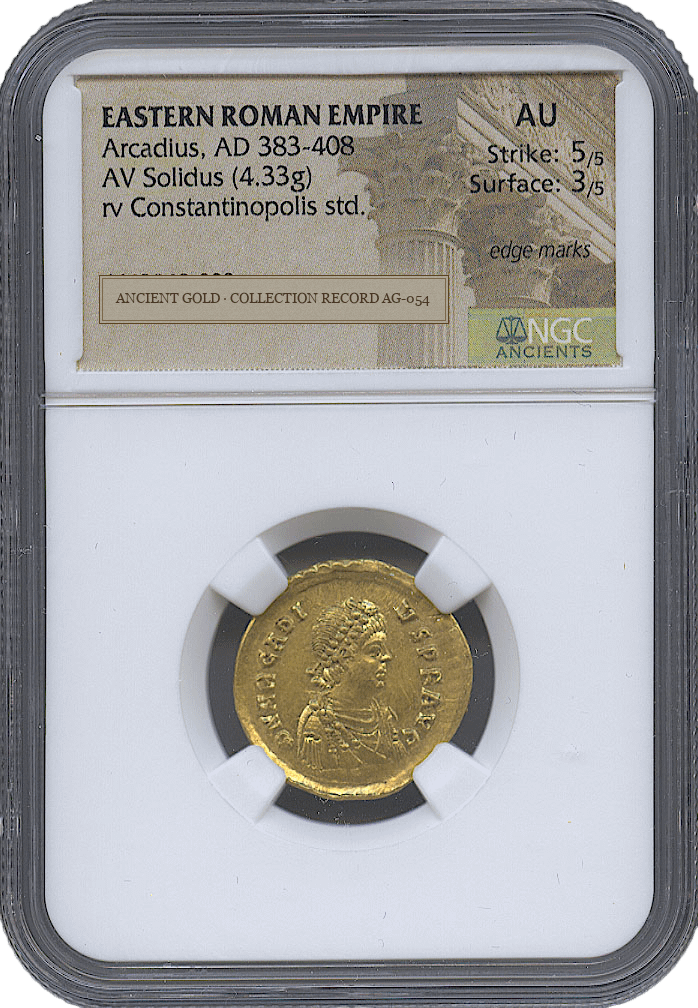
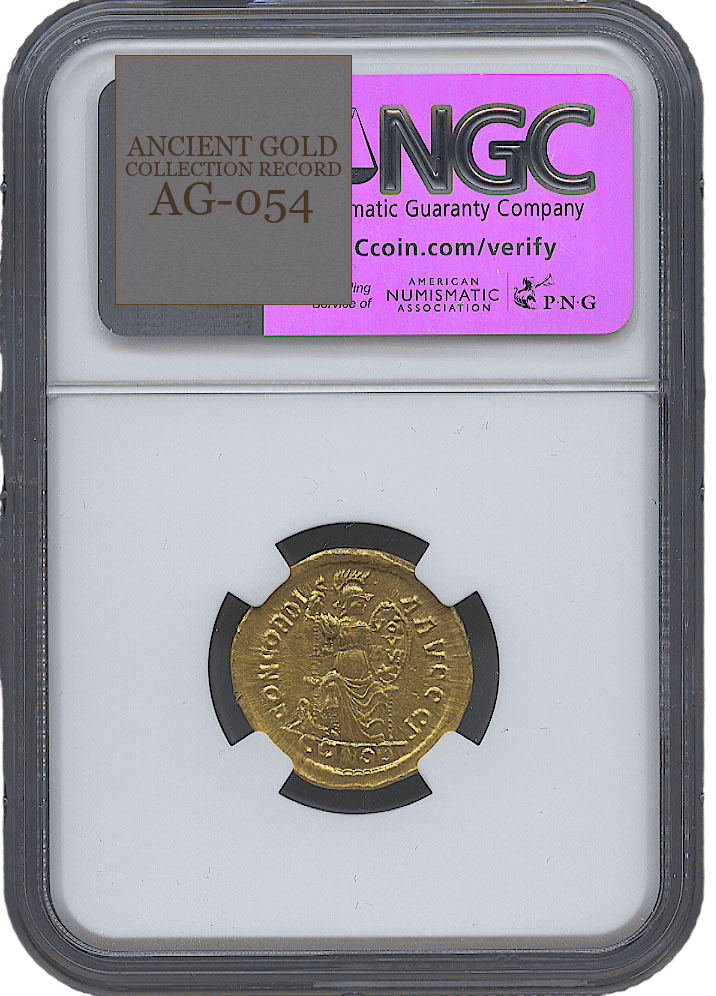
The late Roman solidus was conceived at one seventy-second of a Roman pound, conventionally around 4.5 grams. That definition describes a monetary system, not a promise that every surviving specimen will produce one identical modern measurement.
Standard and specimen
A standard tells us what the issuing authority intended. A specimen weight reports the coin now in hand. Production tolerance, wear, clipping, deposits, damage and the accuracy of a modern scale can separate those figures. Catalogue records should preserve the measured value and avoid “correcting” it to the historical target.
Why gold stability mattered
The solidus linked taxation, military payment, diplomacy and elite exchange. Its long success depended on institutional trust in weight and fineness. Mint formulas and controlled imagery made that trust visible, while periodic weighing made it practical.
How to compare collection objects
Compare coins of the same denomination first. Note whether a record gives a weight to hundredths or only tenths of a gram, and do not invent precision. Then look for physical explanations: an incomplete flan, edge loss or heavy deposits may matter. Grade is a separate judgment about preservation.
After the solidus
Later Byzantine reform introduced the hyperpyron under Alexius I. It belongs to a new monetary context and should not be measured against the early solidus as though the two standards were interchangeable.
Questions readers ask
Is a light coin automatically false?
No. Weight is diagnostic but not decisive. Authenticity requires combined study of dies, fabric, surfaces, metal and provenance.
Does CONOB certify the measured fineness?
It is an official formula, not a modern laboratory result.
Why publish weights?
They make comparison possible and expose the boundary between historical standard and surviving object.